

Quick answer
A Danube River cruise is worth it for travelers who value effortless multi-country access, UNESCO-dense itineraries, and all-inclusive convenience over independent flexibility. Most seven-day sailings visit four to six cities—Vienna, Budapest, Bratislava, and smaller Wachau Valley towns—with shore excursions, meals, and often beverages included in one upfront cost. The format suits those who prefer guided context over spontaneous exploration, and who find value in unpacking once while waking in a new port daily.
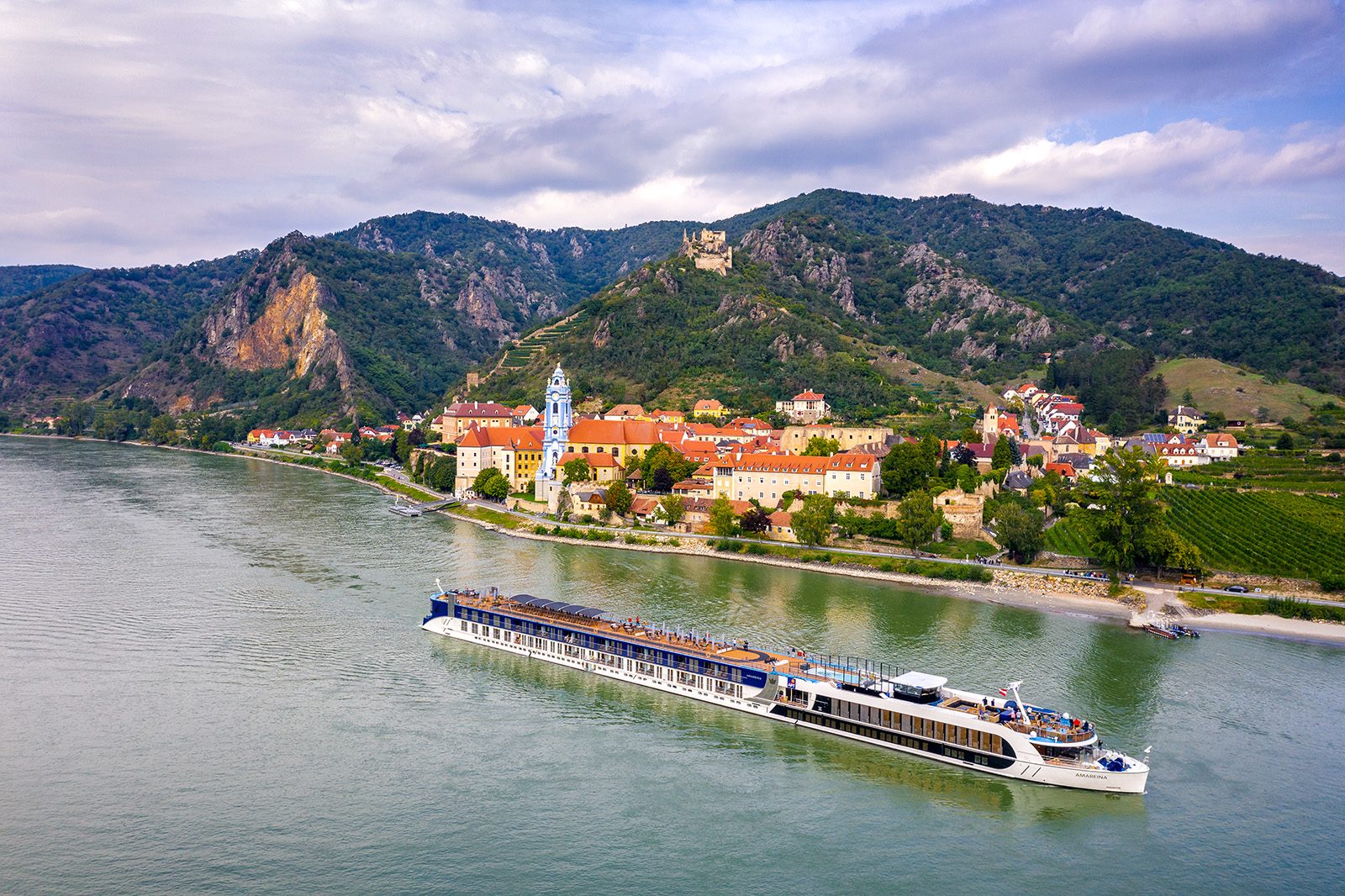
The Danube carries more river cruise traffic than any waterway in Europe, a fact driven less by the river itself than by what lines its banks. Between Passau and the Iron Gates gorge, the river threads together eight capital cities, a dozen UNESCO World Heritage Sites, and vineyard-terraced valleys that predate the Roman Empire. The question of whether a Danube cruise justifies its cost—typically 1,800 to 4,500 EUR per person for a week—depends on how you measure travel value. Consider what the format eliminates. A self-planned itinerary covering Vienna, Budapest, Bratislava, and the Wachau Valley requires four hotel check-ins, three train or bus connections, and separate restaurant decisions for 21 meals. A river cruise collapses that logistics chain into a single floating base, with daily guided excursions included. Ships dock in city centers—Vienna's Reichsbrücke is 3 kilometers from Stephansplatz, Budapest's Pest-side terminals sit opposite the Parliament—so no secondary transport eats into your morning. For travelers who find value in efficiency over spontaneity, the calculus shifts quickly. The river cruise experience rewards a specific traveler profile. Small-group shore excursions, often capped at 20 to 30 participants, deliver context that independent wandering rarely matches: a local historian explaining why Melk Abbey's library survived Napoleon, a vintner walking you through Grüner Veltliner terroir in Dürnstein. Evenings onboard feature regional musicians, folklore demonstrations, or lectures on Habsburg history. If your ideal trip involves soaking in place-specific knowledge rather than hunting down the perfect café, the structure works. If you prefer unscheduled afternoons and stumbling into neighborhoods, the rigid daily schedule—most excursions depart by 9:00 and return by 17:00—will chafe. Certain stretches of the Danube River deliver more per-kilometer value than others. The Wachau Valley between Melk and Krems packs 11th-century abbeys, cliffside castles, and terraced vineyards into 36 kilometers. The Budapest approach, where the river bends around Parliament and Buda Castle, offers one of Europe's great urban waterfronts. Eastern itineraries extending into Romania's Iron Gates and Serbia's Belgrade add dramatic gorge scenery but typically mean fewer UNESCO stops per day. Evaluate the route map against your interests before weighing cost. Pricing models vary by operator, cabin grade, and season, with shoulder months—April, May, October—often 20 to 30 percent below summer rates. Solo travelers face single supplements that can add 50 to 100 percent to the base fare, eroding value unless booking a rare single-occupancy stateroom. Families with children under 12 sometimes find limited appeal, as most ships skew toward adult travelers and few build child-specific programming into daily schedules.
“Between Passau and the Iron Gates gorge, the river threads together eight capital cities, a dozen UNESCO World Heritage Sites, and vineyard-terraced valleys that predate the Roman Empire.”
When Is A Danube River Cruise Worth It? Best Time To Visit
Deciding when to cruise depends on whether you prioritize clear visibility of city architecture or the atmospheric quality of evening illuminations. The best arrival window spans 09:00–20:00 to accommodate these distinct experiences.
Spring (April-May)
Moderate crowdsMild, 12°C–20°C. Flowers bloom and temperatures are comfortable for deck viewing.
Autumn (September-October)
Moderate crowdsCool, 10°C–18°C. Stable weather patterns provide clear visibility for photography.
Weekday mornings
Light crowds—
Lower passenger numbers provide more space on deck for navigation and sightseeing.
Evening hours
High crowds—
City architecture is illuminated, providing a different perspective of the riverfront landmarks.
Verdict: For optimal conditions, plan your visit during weekday mornings or evenings in April or October, adhering to the 09:00–20:00 arrival window.
Pricing Realities: Is A Danube River Cruise Worth It For Your Budget?
Access to the Danube River itself is 0 EUR, as it is a public waterway. Costs for cruises are determined entirely by private operators based on service inclusions.
Adults generally pay variable rates set by independent cruise operators depending on the chosen amenities and tour duration.
Planning Your Journey: How Long Is A Danube River Cruise Worth It?
Most Danube River cruises range from two-hour evening sailings through Budapest to multi-day voyages covering Vienna, Bratislava, and smaller river towns. A typical day cruise allocates 6–8 hours; longer itineraries span 7–14 days with port stops.
Board and settle in
Arrive at the departure pier 20–30 minutes early to check in, locate your cabin or assigned seating, and review the day's schedule. Multi-day cruises usually depart between 09:00 and 11:00.
First scenic segment begins
The ship navigates through vineyard-lined banks or approaches the first major city. Use this time to orient yourself with the sun deck, dining options, and onboard commentary systems.
Port stop or onboard lunch
Day cruises serve a meal while underway; multi-day itineraries dock for 2–4 hours so passengers can explore towns like Dürnstein or Melk. Return to the ship 15 minutes before departure.
Second navigation leg
Pass fortresses, abbey complexes, and terraced hillsides. Afternoon light suits photography of the Wachau Valley or Iron Gate gorge sections.
Illuminated city passage or disembark
Evening cruises highlight lit bridges and parliament buildings in Budapest or Vienna. Multi-day passengers typically return to the ship for dinner and overnight sailing to the next port.
Seeing The Landmarks: Why The Danube River Cruise Is Worth It
The Danube riverfront in Budapest features a concentrated collection of UNESCO World Heritage sites that are most visible from the water. Viewing these structures from the river provides a vantage point that architectural details on the facades are not accessible by foot.
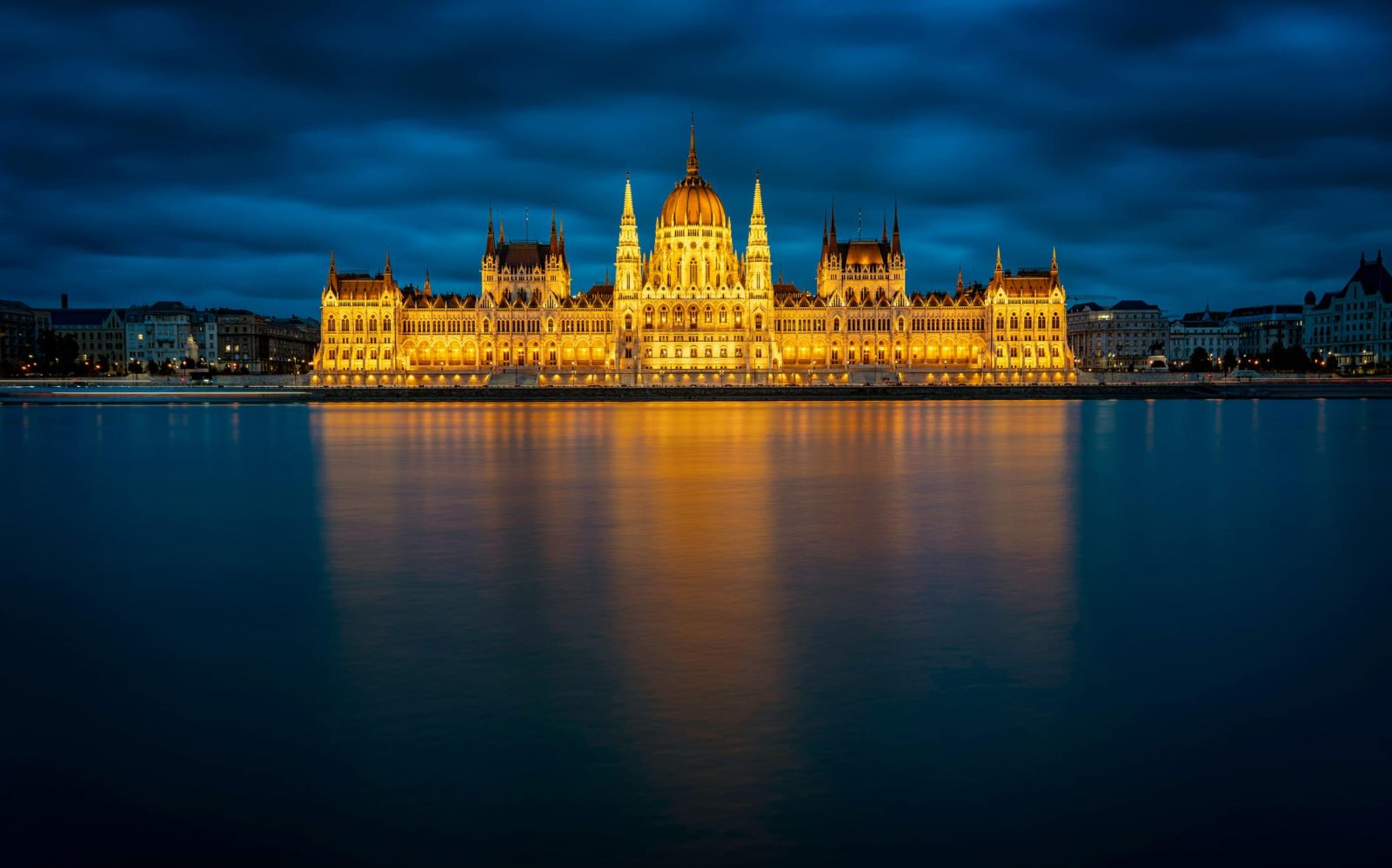
Hungarian Parliament Building
This neo-Gothic structure is the largest building in Hungary and features a symmetrical facade with a central dome. Seeing it from the river reveals the scale of its riverfront orientation.
View from the center of the river for full symmetry.

Buda Castle
The historic castle complex sits atop Castle Hill and serves as a primary landmark on the western bank. The river cruise allows visitors to see the defensive walls and the hilltop elevation clearly.
Look up during the evening to see the floodlit ramparts.
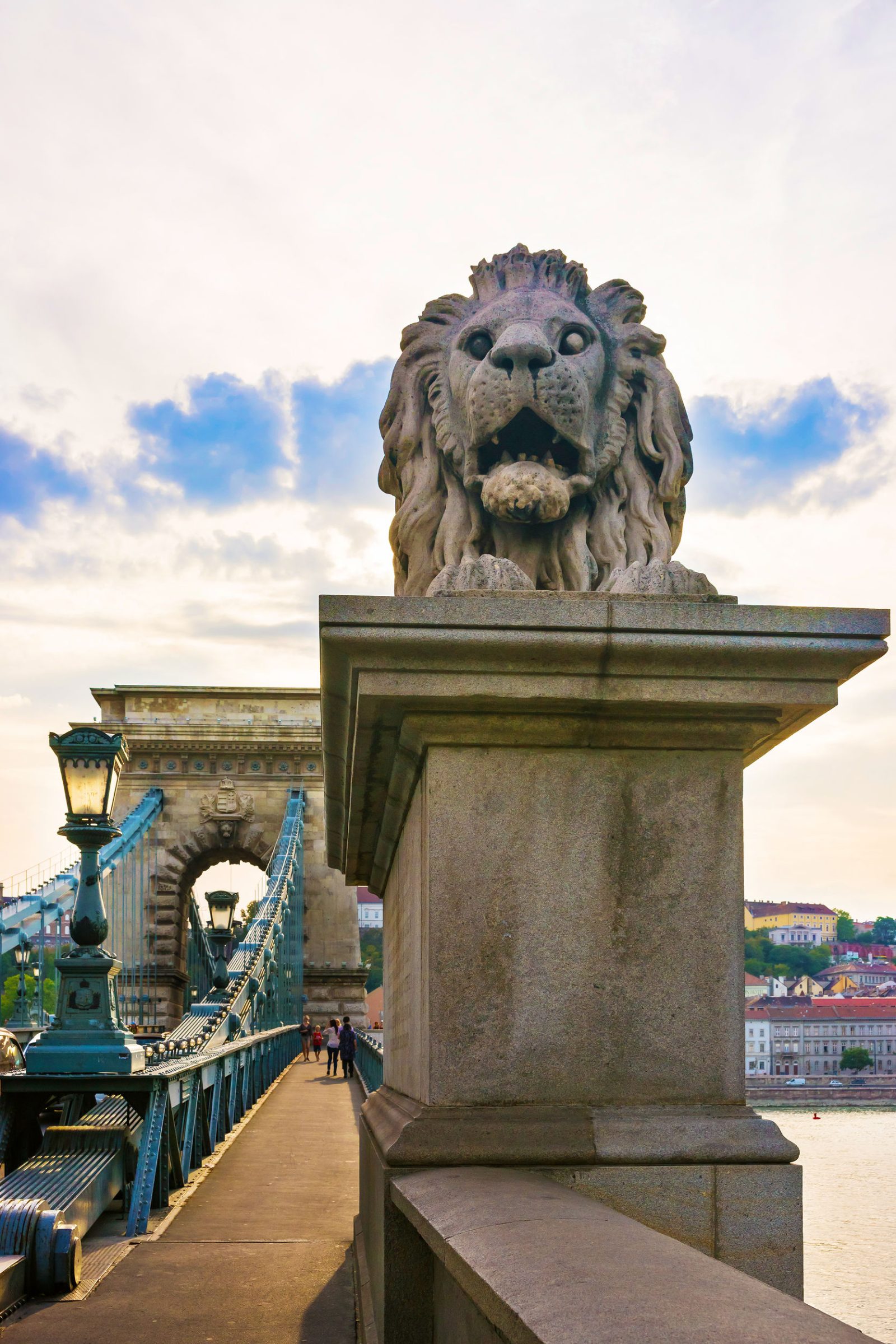
Chain Bridge
As the first permanent stone bridge connecting Buda and Pest, this suspension bridge is a center point for river transit. The stone lions at the entrance are visible as the vessel passes underneath.
Watch for the stone lion statues at the bridgeheads.
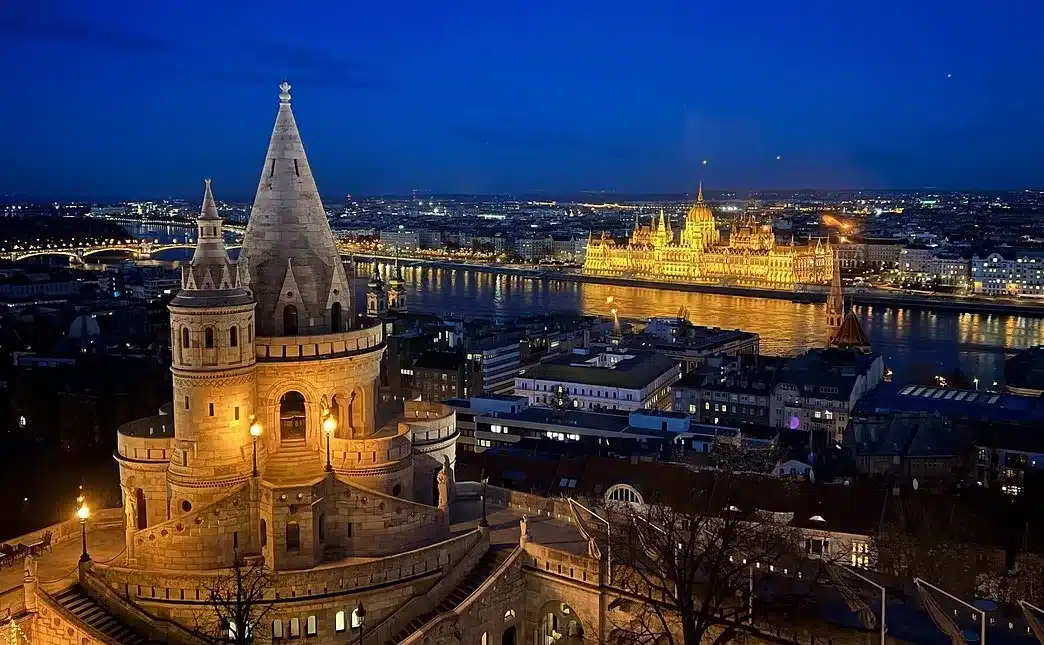
Fisherman's Bastion
Located behind Matthias Church, this neo-Romanesque terrace provides a distinct silhouette against the skyline. From the water, the seven towers representing the Magyar tribes are identifiable.
Observe the turret silhouettes against the night sky.
Common Mistakes: When Is A Danube River Cruise Not Worth It?
A Danube River cruise can disappoint when travelers overlook practical realities. Here are the mistakes that turn a promising voyage into a regrettable booking.
Booking a cruise without checking weather forecasts for the season
Check 10-day forecasts before booking. Winter fog and summer storms can cancel departures or obscure views, particularly affecting shorter cruises that cannot reschedule.
Choosing the wrong departure time for your photography goals
Evening cruises showcase illuminated architecture along the Budapest stretch, while midday departures offer better natural light for landscapes. Match your departure to what you want to capture.
Underestimating transit time to embarkation points in multi-city itineraries
River cruise ports often sit outside city centers. Budget 45–90 minutes from your hotel to the dock, especially in Vienna or Budapest, to avoid missing departure.
Ignoring river water levels when booking shoulder-season cruises
Low water in late summer or high water during spring melt can force route changes or cancellations. Multi-day cruises face higher risk; operators may substitute bus segments without refunds.
Expecting open-deck access in all weather conditions
Many cruises close upper decks during rain or high winds for safety. If outdoor viewing is essential, book during stable weather windows (late spring or early autumn).
Booking the cheapest operator without reading cancellation policies
Budget operators often offer no refunds for weather cancellations, only rebooking credits. Compare cancellation terms, not just ticket price, especially for trips planned months ahead.
Operating Hours: Is A Danube River Cruise Worth It Any Time?
The Danube River itself remains accessible throughout the day and night. Cruise operators provide service across these 24-hour windows to accommodate varying travel schedules.
| Monday | 00:00–23:59 | |
|---|---|---|
| Tuesday | 00:00–23:59 | |
| Wednesday | 00:00–23:59 | |
| Thursday | 00:00–23:59 | |
| Friday | 00:00–23:59 | |
| Saturday | 00:00–23:59 | |
| Sunday | 00:00–23:59 |
Check availability
Frequently Asked Questions: Is a Danube River Cruise Worth It?
Everything you need to know about is danube river cruise worth it